- Car Loans
- Home Loans
- Personal Loans
- Business Loans
- Helpful Resources
-
-
- Loan Calculators ❯ Get My FREE Property Report ❯ Get My Credit File ❯ Send My Bank Statements ❯ Blog ❯ Personal Loan calculator
-
-
Equipment Finance Moorabbin for Local Businesses
By Mary Nebotakis, Managing Director, Natloans, B. Eco, Dip. Financial Services
Equipment and Commercial Vehicle Finance for Moorabbin Businesses
The right equipment can help a business increase capacity, complete work more efficiently and take advantage of new opportunities. However, purchasing vehicles, machinery or technology outright can place considerable pressure on business cash flow.
Equipment finance may allow eligible Moorabbin businesses to acquire the assets they need while spreading the cost over an agreed loan term. Depending on the asset, business structure and intended use, different commercial-finance options may be available.
Natloans helps businesses in Moorabbin, Cheltenham, Highett, Mentone, Braeside, Dingley Village and across Melbourne compare finance for commercial vehicles, machinery, tools, technology and other income-producing assets.
What Is Equipment Finance?
Rather than paying the entire purchase price upfront, an eligible business borrows the funds and repays the amount over an agreed period. In many arrangements, the equipment being purchased provides security for the finance.
Equipment finance may be used for assets such as:
- Cars and commercial vehicles.
- Utes and vans.
- Trucks and prime movers.
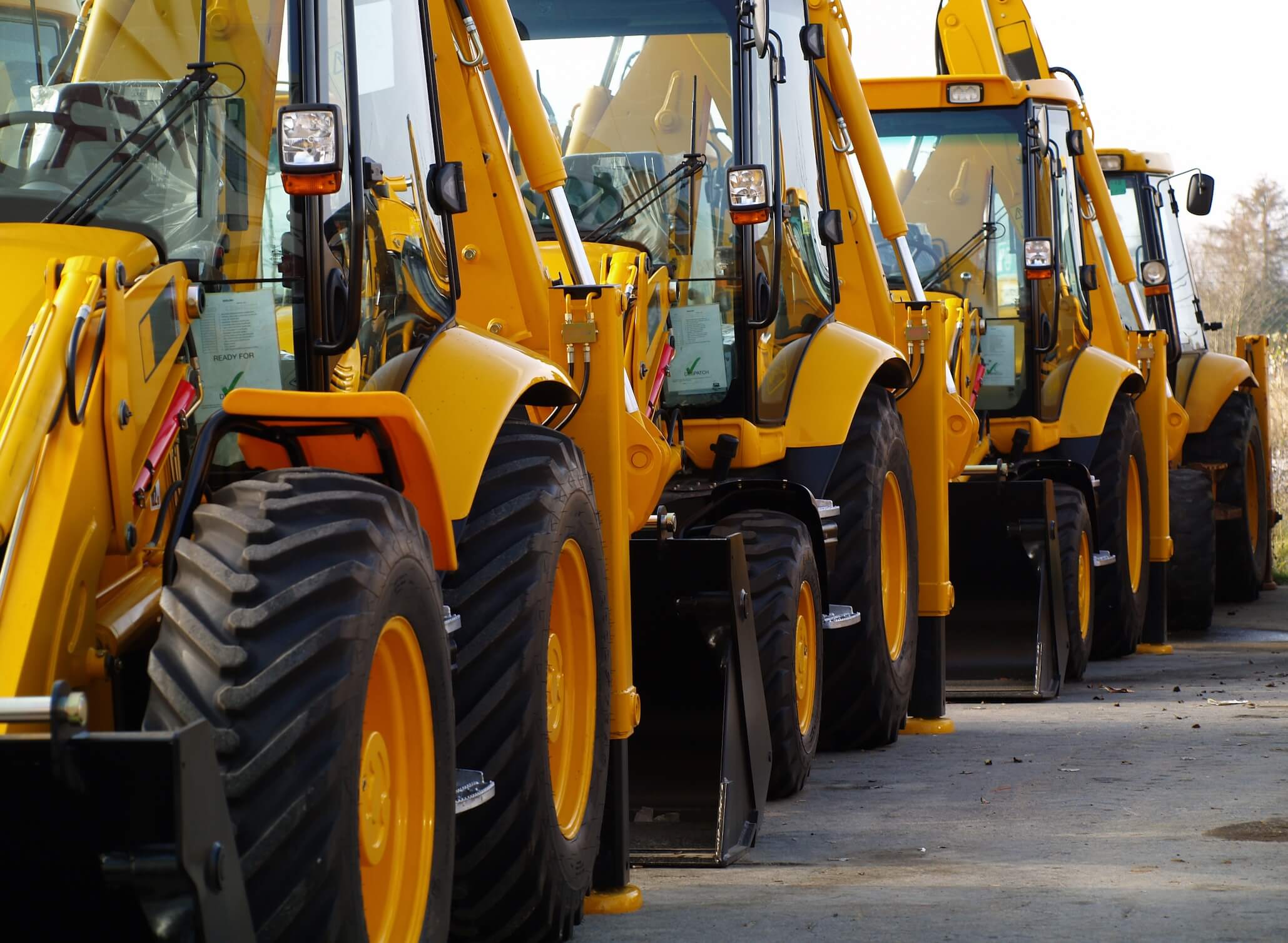
- Trailers and earthmoving equipment.
- Manufacturing and industrial machinery.
- Construction equipment.
- Medical and dental equipment.
- Hospitality and commercial kitchen equipment.
- Computers, telecommunications and office technology.
- Tools and specialised trade equipment.
- Agricultural and materials-handling equipment.
The appropriate loan structure will depend on the type and age of the asset, its business use, the borrower’s financial position and the lender’s requirements.
Why Moorabbin Businesses Use Equipment Finance
Moorabbin and Melbourne’s surrounding south-eastern suburbs are home to businesses across construction, manufacturing, transport, automotive services, wholesale trade, professional services, healthcare and hospitality.
These businesses often rely on vehicles, machinery or specialised equipment to operate and grow.
Equipment finance may help a business:
- Preserve cash for wages, inventory and operating expenses.
- Replace ageing or unreliable equipment.
- Increase production or service capacity.
- Take on larger projects or new contracts.
- Acquire additional vehicles for a growing team.
- Upgrade technology and business systems.
- Match repayments more closely to the asset’s useful life.
- Avoid using property as security where suitable asset-backed finance is available.
The aim is to fund an asset in a way that supports the business without unnecessarily restricting its working capital.
What Types of Equipment Can Be Financed?
The range of assets that may be financed is broad, although lender policies and eligibility requirements vary.
Commercial vehicles
Businesses may seek finance for:
- Utes.
- Vans.
- Passenger vehicles used for business.
- Light commercial vehicles.
- Trucks and prime movers.
- Trailers.
- Refrigerated vehicles.
- Specialist service vehicles.
The available options may depend on how the vehicle will be used, whether it is new or used, who is purchasing it and the applicant’s business history.
Machinery and industrial equipment
Manufacturers, workshops and other industrial businesses may require finance for production machinery, fabrication equipment, compressors, forklifts, generators or other specialised assets.
When assessing an application, lenders may consider the equipment’s age, condition, value, expected useful life and resale market.
Construction and trade equipment
Builders and tradespeople may use equipment finance to purchase excavators, skid-steer loaders, access equipment, power tools, trailers and other assets required to complete their work.
For sole traders and smaller businesses, protecting cash reserves while acquiring essential equipment can be particularly important.
Technology and office equipment
Equipment finance may also be available for computers, telecommunications systems, security equipment, point-of-sale systems and other business technology.
Some rapidly depreciating or highly specialised assets may require a different finance structure from vehicles or conventional machinery.
Common Equipment-Finance Options
Several commercial-finance structures may be available. The terminology can be confusing, and the right option will depend on how the business intends to own, use and account for the asset.
Chattel Mortgage
A chattel mortgage is a commonly used option for financing vehicles and equipment for business purposes.
The business generally owns the asset from the beginning, while the lender registers an interest in it as security for the loan. Once the finance has been repaid and all obligations have been met, the lender’s security interest is removed.
Depending on the arrangement, repayments may be structured with or without a final balloon payment.
A larger balloon payment can reduce regular repayments but leaves a greater amount payable at the end of the loan term. Businesses should consider the total cost and likely future value of the asset rather than choosing a balloon solely to obtain a lower monthly repayment.
Finance Lease
Under a finance lease, the lender generally purchases the asset and leases it to the business for an agreed term.
The business makes regular payments for the use of the asset. At the end of the term, there may be options involving the residual amount, continued use or acquisition of the equipment, depending on the agreement.
The legal ownership, accounting treatment and end-of-term obligations differ from a conventional equipment loan, so professional accounting advice may be appropriate.
Commercial Hire Purchase
Under a commercial hire-purchase arrangement, the lender purchases the asset and the business uses it while making agreed repayments.
Ownership generally transfers to the business after the final payment and any other contractual obligations have been satisfied.
Availability varies between lenders and may depend on the asset and applicant.
Equipment Loan
Some businesses may use a conventional equipment or business loan to acquire an asset.
Depending on the lender, the equipment may provide security for the loan. Additional security or a director’s guarantee may also be required in some circumstances.
Should You Include a Balloon Payment?
A balloon payment is a lump sum that remains payable at the end of the loan term.
Including a balloon may reduce regular repayments, which can help short-term cash flow. However, it also means the business will owe a larger amount at the end of the agreement and may pay more interest over the loan term.
Before selecting a balloon, consider:
- The expected future value of the equipment.
- How long the business intends to retain it.
- Whether it is likely to be sold or traded.
- How the final amount will be paid.
- The total interest and overall cost of the finance.
- The effect of the repayment structure on business cash flow.
A commercial-finance broker can help compare structures with different loan terms, deposits and balloon amounts.
New and Used Equipment Finance
Finance may be available for both new and used business equipment.
New assets will generally have clear purchase documentation, warranties and a longer expected useful life. Used equipment can be more affordable but may receive closer scrutiny from lenders, particularly when it is older, specialised or purchased through a private sale.
For used equipment, a lender may consider:
- The age and condition of the asset.
- The purchase price compared with market value.
- Its remaining useful life.
- The reputation and type of supplier.
- Whether the transaction is through a dealer or private seller.
- The availability of invoices, inspections or valuations.
- Whether the requested loan term is appropriate for the asset’s age.
Older equipment may still be financeable, but the available lender, loan term or deposit requirement may differ.
Can a New or Self-Employed Business Obtain Equipment Finance?
Potentially. Lenders assess applications according to their own credit policies, and not every business needs to have been operating for many years.
An established business may be able to provide complete financial statements and tax returns. A newer business, sole trader or self-employed applicant may need to supply different information demonstrating experience, income and capacity to repay the finance.
Depending on the lender and application, supporting information may include:
- An active ABN.
- Business bank statements.
- BAS records.
- Financial statements.
- Tax returns or notices of assessment.
- Details of existing business debts.
- Evidence of relevant industry experience.
- A purchase invoice or equipment quotation.
- Information about the intended business use of the asset.
- Identification and credit-history information.
Some lenders offer streamlined or low-documentation assessment options for eligible businesses. “Low doc” does not mean no assessment or guaranteed approval. Credit criteria, documentation requirements and conditions still apply.
Commercial Vehicle Finance for Moorabbin Businesses
Vehicles are essential to many businesses in Moorabbin and Melbourne’s south-east.
A tradesperson may need a fitted-out ute or van. A transport business might require another truck or trailer. A sales or service operation may need passenger vehicles for employees. A growing business might be replacing a single vehicle with a small fleet.
Commercial vehicle finance may be available for:
- New and used vehicles.
- Dealer and eligible private purchases.
- Utes and work vans.
- Trucks and trailers.
- Passenger vehicles used for business.
- Refinancing an existing commercial vehicle loan.
- Fleet expansion or replacement.
The correct structure will depend on factors including business use, vehicle type, applicant profile and intended ownership.
Should You Use Cash or Finance?
Paying cash may appear straightforward, but it can reduce the funds available for daily operations and unexpected expenses.
Before choosing between cash and finance, consider:
- How much working capital the business needs.
- Whether the asset will immediately produce revenue or reduce costs.
- The expected return from retaining cash within the business.
- The total cost of finance.
- The reliability and urgency of the equipment.
- Whether the business has upcoming tax, wage or supplier obligations.
- How long the asset is likely to remain useful.
Finance is not automatically the right choice. The benefit of preserving cash should be weighed against interest, fees and the business’s ability to meet repayments.
Refinancing Existing Equipment or Vehicle Loans
Businesses may also review finance attached to equipment they already own.
Refinancing may be considered when a business wants to:
- Review an existing interest rate or repayment structure.
- Change the remaining loan term.
- Adjust a balloon or final payment.
- Consolidate eligible commercial debts.
- Release equity from an unencumbered asset for business purposes.
- Replace several arrangements with a more manageable structure.
Refinancing does not always produce a better outcome. Early-repayment costs, lender fees, the asset’s current value and the new loan term must all be considered.
Extending the term may reduce regular repayments but increase the total interest paid. The complete cost should therefore be compared—not only the monthly repayment.
What Will a Lender Assess?
When reviewing an equipment-finance application, a lender may consider:
- The length of time the business has operated.
- Business turnover and cash flow.
- The applicant’s credit history.
- Existing personal and commercial debts.
- The type, age and value of the asset.
- How the equipment will be used.
- Whether the asset is essential to the business.
- The requested loan amount and term.
- Any proposed deposit or balloon payment.
- The business owner’s industry experience.
- The supporting financial documents available.
Requirements vary between lenders. A strong application should clearly demonstrate why the equipment is required and how the business will manage the repayments.
What Should You Compare Beyond the Interest Rate?
The advertised interest rate is only one part of equipment finance.
When comparing options, businesses should also review:
- Establishment and documentation fees.
- Brokerage or introducer fees, where applicable.
- The loan term.
- Deposit requirements.
- Balloon or residual payments.
- Early-repayment conditions.
- Ongoing account fees.
- Security and guarantee requirements.
- The total amount repayable.
- Flexibility if the asset is sold or replaced.
A lower advertised rate does not necessarily mean a lower overall cost if the finance includes higher fees or less suitable conditions.
Are There Tax Benefits?
The taxation and accounting treatment of equipment finance depends on the loan structure, business use of the asset, GST registration and the borrower’s individual circumstances.
Potential considerations may include depreciation, interest expenses, lease payments and GST treatment. However, the outcome will vary according to the arrangement.
Natloans can assist with finance options, but businesses should obtain independent advice from their accountant or tax adviser before selecting a structure based on expected tax benefits.
How an Equipment-Finance Broker Can Help
Different lenders have different policies regarding industries, asset types, business history, documentation and credit profiles.
An experienced Natloans commercial-finance broker can help you:
- Identify suitable finance structures.
- Compare options from a broad lender panel.
- Understand documentation requirements.
- Structure the loan term, deposit and balloon payment.
- Finance eligible new or used equipment.
- Consider dealer and eligible private-sale purchases.
- Review existing equipment or vehicle finance.
- Explain costs, repayments and key loan conditions.
- Coordinate the application through to settlement.
Natloans provides specialist expertise across equipment finance, commercial vehicles, business lending, home loans, car loans and personal loans. This diversified structure allows clients to work with a broker who understands the relevant type of finance rather than expecting one broker to handle every lending scenario equally.
Equipment Finance in Moorabbin and Melbourne’s South-East
If your business needs a vehicle, machinery, tools or technology, it is worth understanding the available finance options before committing to the purchase.
Early preparation can help you establish a realistic budget, select an appropriate asset and avoid delays caused by missing documents or unsuitable finance structures.
Natloans assists businesses throughout Moorabbin, Cheltenham, Highett, Mentone, Braeside, Dingley Village and Melbourne’s wider south-eastern suburbs.
Speak with a Natloans business and equipment-finance specialist or call 1300 955 791 to discuss your requirements.
Frequently Asked Questions
What equipment can a business finance?
Eligible assets may include commercial vehicles, trucks, trailers, machinery, construction equipment, tools, medical equipment, commercial kitchen equipment and business technology. Availability depends on the asset and lender.
Can I finance used business equipment?
Potentially. Lenders may finance eligible used equipment, although the asset’s age, condition, value and remaining useful life will be considered.
Can a sole trader obtain equipment finance?
Yes, eligible sole traders may apply. The lender will assess factors including business history, income, credit profile, existing commitments and the equipment being purchased.
Is low-doc equipment finance available?
Some lenders offer streamlined or low-documentation options to eligible businesses. Applicants must still satisfy credit requirements and provide the documents requested by the lender.
Can I finance a vehicle purchased through a private sale?
Some lenders permit eligible private-sale transactions. Additional identification, ownership, valuation or inspection requirements may apply.
Can I refinance equipment I already own?
Potentially. Refinancing or equity-release options may be available, depending on the asset, its value, existing finance and the business’s financial position.
How quickly can equipment finance be approved?
Timeframes depend on the lender, application complexity, asset and availability of supporting documents. Providing complete and accurate information at the beginning can help avoid unnecessary delays.
Does Natloans only assist businesses in Moorabbin?
No. Natloans assists businesses throughout Melbourne, Victoria and across Australia. The Moorabbin location gives this article a relevant local focus, while Natloans’ equipment and business-finance services are available nationally.
General information only. This article does not constitute financial, taxation or legal advice, nor does it represent credit approval. Lending criteria, fees, interest rates, terms and conditions apply and vary between lenders. Businesses should consider their circumstances and obtain appropriate professional advice before entering into a credit arrangement.
PrevBridging Loans Beaumaris & Bayside Melbourne Car Loan Refinancing Bayside Melbourne: A Local GuideNextCategories
https://www.natloans.com.auWant a tailored finance solution?
Contact Us Car Loans- Personal Car Loans
- Business Car Loans
- Chattel Mortgage
- Electric Vehicle Loans
- Low Doc Car Loans
- Finance Lease
- Bad Credit Car Loans
- Car Loan Refinancing
- Sale & Leaseback Finance
- Novated Car Lease
- Low Rate Personal Loans
- Debt Consolidation
- Home Renovation Loans
- Bike Loans
- Boat Loans
- Caravan Loans
- Jet Ski Loans
- Green Loans
- Medical, Cosmetic & Dental Loans
- Buy A New Home
- Refinance My Home Loan
- Buy an Investment Property
- First Home Buyers
- Low Doc Home Loans
- Construction Loans
- Apply For a Home Loan Now
- Low Doc Business Loans
- Truck Finance
- Equipment Finance
- Business Overdraft
- Commercial Property Finance
- Private Lending
- SMSF Commercial Loans
- Working Capital Finance
- Melbourne Mortgage Brokers
- Sydney Mortgage Brokers
- Brisbane Mortgage Brokers
- Adelaide Mortgage Brokers
- Darwin Mortgage Brokers
- Perth Mortgage Brokers
- Hobart Mortgage Brokers
- Melbourne Finance Brokers
- Sydney Finance Brokers
- Brisbane Finance Brokers
- Adelaide Finance Brokers
- Perth Finance Brokers
- Darwin Finance Brokers
- Hobart Finance Brokers
Want a tailored finance solution?
Contact Us- Call Us
- Email Us
- Text Us
- Visit Us
7/296 Bay Rd
Cheltenham VIC 3192
Natloans is part of the Natloans group of companies, proudly owned by Natloans Holdings Pty Ltd. All services delivered under the Natloans brand are provided by licensed entities within our group — and we’ll always confirm the relevant entity in your documentation for complete transparency.
Images on This Page
-
https://www.natloans.com.au/wp-content/uploads/2026/04/natloans-white-logo.webp
(no alt text)
-
https://www.natloans.com.au/wp-content/uploads/2025/04/natloans_logo.png
(no alt text)
-
https://www.natloans.com.au/wp-content/uploads/2025/04/icon-person.svg
(no alt text)
-
https://www.natloans.com.au/wp-content/uploads/2025/05/icon-money-case.png
(no alt text)
-
https://www.natloans.com.au/wp-content/uploads/2025/04/icon-money-bag.svg
(no alt text)
-
https://www.natloans.com.au/wp-content/uploads/2025/05/material-symbols_electric-car-rounded.png
(no alt text)
-
https://www.natloans.com.au/wp-content/uploads/2025/05/material-symbols_edit-document.png
(no alt text)
-
https://www.natloans.com.au/wp-content/uploads/2025/05/solar_chat-round-money-bold.png
(no alt text)
-
https://www.natloans.com.au/wp-content/uploads/2025/05/material-symbols_credit-card.png
(no alt text)
-
https://www.natloans.com.au/wp-content/uploads/2025/04/icon-calculator.svg
(no alt text)
-
https://www.natloans.com.au/wp-content/uploads/2025/04/icon-service.svg
(no alt text)
-
https://www.natloans.com.au/wp-content/uploads/2025/04/icon-bank.svg
(no alt text)
-
https://www.natloans.com.au/wp-content/uploads/2025/04/ic_round-home.svg
(no alt text)
-
https://www.natloans.com.au/wp-content/uploads/2025/05/icon-dollar.png
(no alt text)
-
https://www.natloans.com.au/wp-content/uploads/2025/05/icon-first.png
(no alt text)
-
https://www.natloans.com.au/wp-content/uploads/2025/05/icon-construction.png
(no alt text)
-
https://www.natloans.com.au/wp-content/uploads/2025/05/icon-saving.png
(no alt text)
-
https://www.natloans.com.au/wp-content/uploads/2025/05/icon-trending-down.png
(no alt text)
-
https://www.natloans.com.au/wp-content/uploads/2025/05/icon-bike.png
(no alt text)
-
https://www.natloans.com.au/wp-content/uploads/2025/05/icon-boat.png
(no alt text)
-
https://www.natloans.com.au/wp-content/uploads/2025/05/icon-caravan.png
(no alt text)
-
https://www.natloans.com.au/wp-content/uploads/2025/05/icon-jet-skiing.png
(no alt text)
-
https://www.natloans.com.au/wp-content/uploads/2025/05/icon-solar-eclipse.png
(no alt text)
-
https://www.natloans.com.au/wp-content/uploads/2025/05/icon-truck.png
(no alt text)
-
https://www.natloans.com.au/wp-content/uploads/2025/05/ic_baseline-business-center.png
(no alt text)
-
https://www.natloans.com.au/wp-content/uploads/2025/05/bxs_bank.png
(no alt text)
-
https://www.natloans.com.au/wp-content/uploads/2026/09/icon-blog-notes.svg
Blog
-
https://www.natloans.com.au/wp-content/uploads/2025/04/image-17-150x150.png
Picture of By Mary Nebotakis, Managing Director, Natloans, B. Eco, Dip. Financial Services
-
https://www.natloans.com.au/wp-content/uploads/2025/08/Equipment-Finance-image.jpg
Equipment Finance
-
https://www.natloans.com.au/wp-content/uploads/2026/04/NL0426-02_Awards_HORIZONTAL-scaled.png
(no alt text)
-
https://www.natloans.com.au/wp-content/uploads/2026/04/natloans-awards.png
(no alt text)